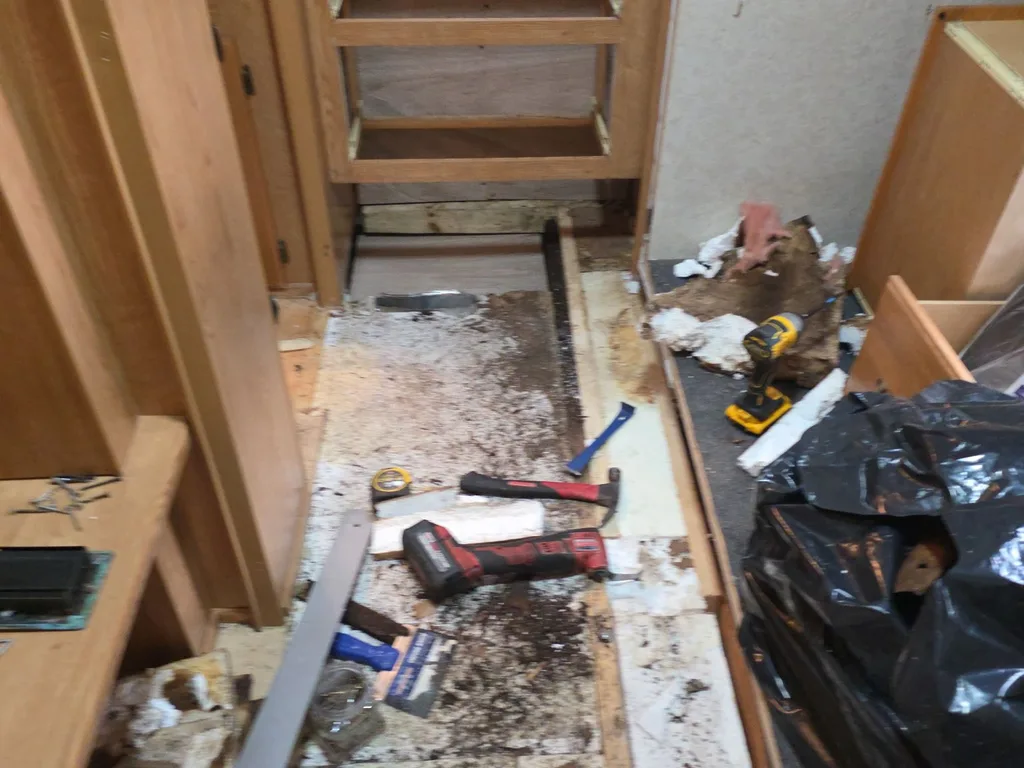
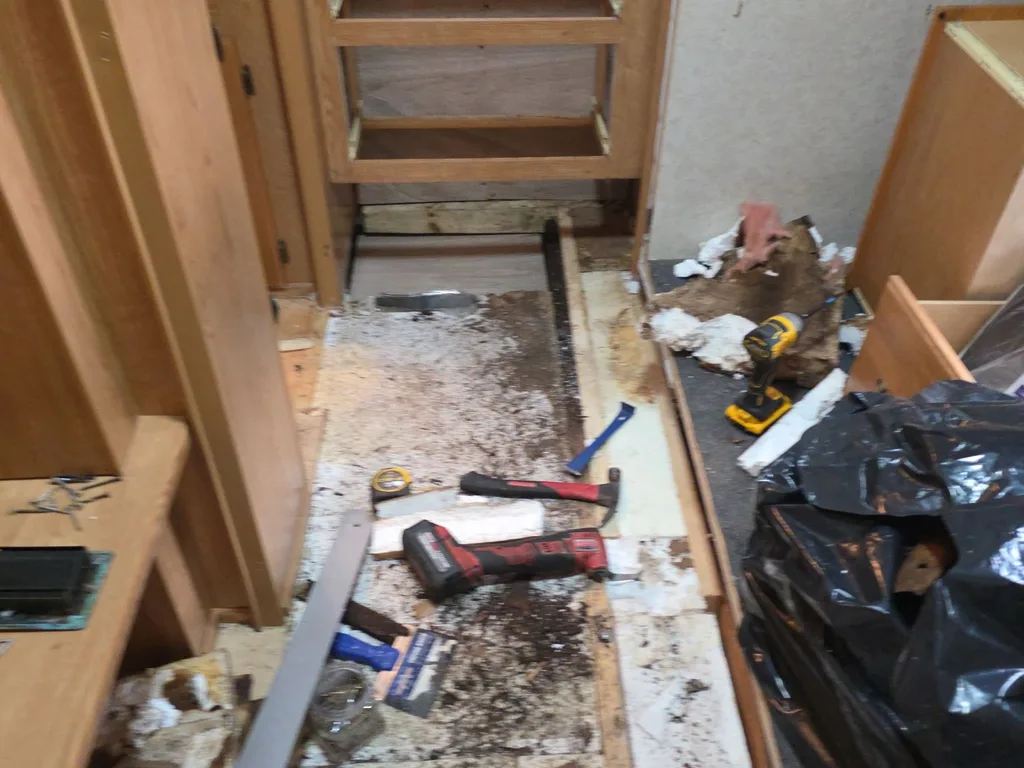
A customer from Ohio brought his Class A to Lakeland last October to spend the winter. He'd had the rig inspected before leaving. Two months into Florida, he noticed a soft spot near the kitchen slide.
By the time we got there, the floor decking under an 18-inch section was completely rotted. The source was a lap sealant failure at the slide corner that had probably been weeping for 6 to 8 weeks.
This is not unusual in Winter Haven. Florida does things to RV sealant that colder, drier climates simply don't. Here's the specific chain of events that plays out on thousands of rigs here every year.
Why Florida Destroys Sealant Faster Than Anywhere Else
RV lap sealant is designed for thermal cycling - it expands and contracts as the structure heats and cools. In most of the country, that cycle runs maybe 40 to 60 degrees between night and day in moderate seasons.
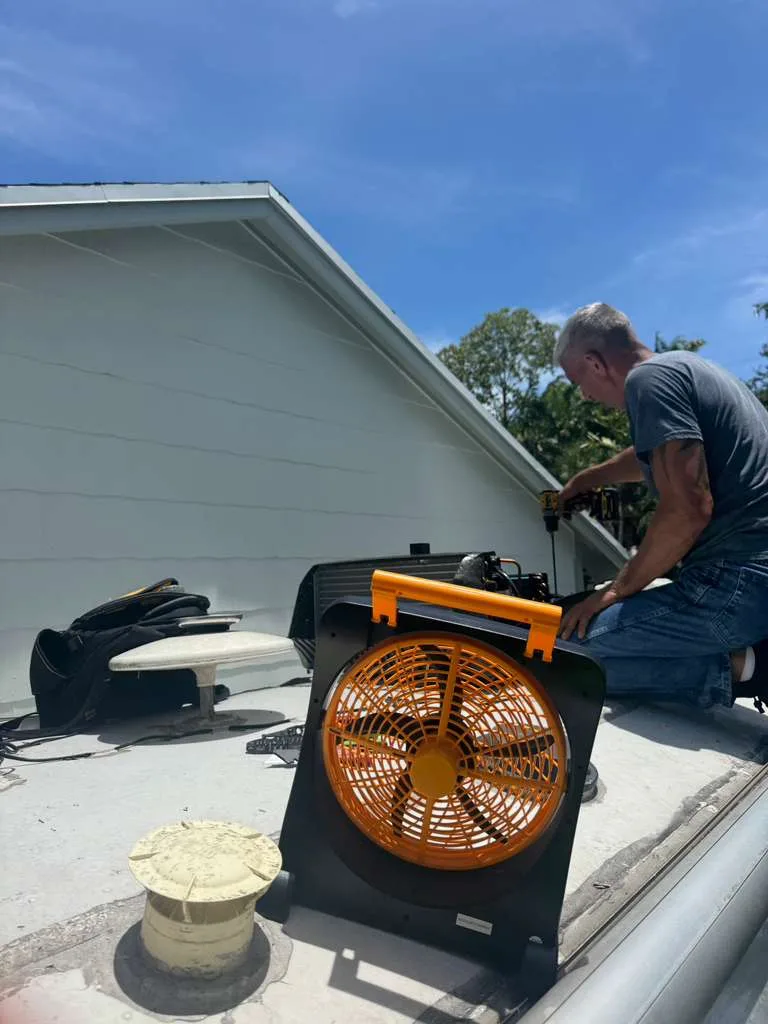
In Winter Haven, a rooftop sitting in full sun in July reaches 160 to 180 degrees by mid-afternoon and drops to 75 degrees at night. That's a swing of 85 to 100 degrees, every single day, for 6 months straight.
That cycle fatigues lap sealant. It also causes the aluminum roof skin to expand and contract slightly around the fixed mounting points - vents, AC units, antennas - and that micro-movement eventually breaks the bond at the edges. Add Florida's UV index (among the highest in North America) degrading the sealant's polymer structure, and you have a recipe for failure in 2 to 3 years on a roof that might last 5 to 7 in the Midwest.
The Chain of Lakes Problem
Winter Haven's Chain of Lakes creates a specific microclimate issue for RVs stored near the water. Lakeside air is consistently more humid than inland air, and the overnight dew point is higher.
RVs stored near Lake Kissimmee, Lake Wales, Lake Parker, or the Winter Haven chain of lakes see more condensation cycling than rigs stored in drier inland areas. That moisture works into every imperfect seal and accelerates the wood rot process once water starts getting in.
We see more advanced floor decking damage on rigs stored or camped lakeside in Winter Haven than almost anywhere else. If your rig lives near the water, inspect the slideout floor perimeters and low wall seals at least twice a year.
Where Water Gets In First
Slide-out top corners. The seal where the slide-out room meets the main body at the top corners is the single most common water entry point on Winter Haven RVs. The slide travels in and out, the seal flexes, and eventually the lap sealant at the top corners cracks.
One wet season and the wall beside the slide is damp inside. Two seasons and the floor decking starts going soft.
Roof vent bases. Fantastic Fan, Heng's, and similar vents have a perimeter seal at the roof.
That seal degrades in Florida sun within 3 to 5 years. Check each vent base by pressing around the perimeter - you're feeling for soft sealant that's lost its adhesion or visible cracking.
AC unit bases. Where the rooftop AC gasket meets the roof opening.
The rubber gasket inside the unit compresses over time and the exterior lap seal around the base ages. Common source of water that appears to come from the AC but is actually leaking around it into the ceiling insulation.
Antenna and utility base plates. Every penetration through your roof is a potential entry point. TV antennas, WiFi boosters, cable entry ports - check the sealant around each one.
What the Damage Looks Like Inside
Early stage: slight discoloration on ceiling panels near vents or AC unit. May look like a shadow or dust stain. Press the panel with your palm - if it's soft or feels slightly different from adjacent panels, there's moisture behind it.
Moderate stage: visible brown water staining on ceiling fabric, delamination beginning on wall panels near the entry point (the thin laminate surface starting to separate from the structural layer behind it), and soft spots in flooring near slide corners.
Advanced stage: visible mold, structural wood that crumbles when touched, wall panels with bubbling or large separated sections, flooring that sags under foot pressure. At this stage you're looking at significant structural repair.
What We Do When We Find It
When we respond to a water damage call in Winter Haven, the first step is finding the source - not just treating the symptom. Water travels.
It enters at one point and damages another area entirely. We trace moisture paths, identify the seal failure, and give you a clear picture of both the entry point and the extent of the damage before recommending repairs.
Entry point sealing is something we can do same-day at your location. Structural wood replacement and wall panel repair are more involved jobs that we scope and schedule. We do not leave an active leak unaddressed - if we find the source, we seal it immediately while we arrange the structural repair.
Call us at (863) 294-7800 if you've noticed any of the early signs - soft panels, slight discoloration, or that specific musty smell that Florida RV water damage produces. Earlier is always better.