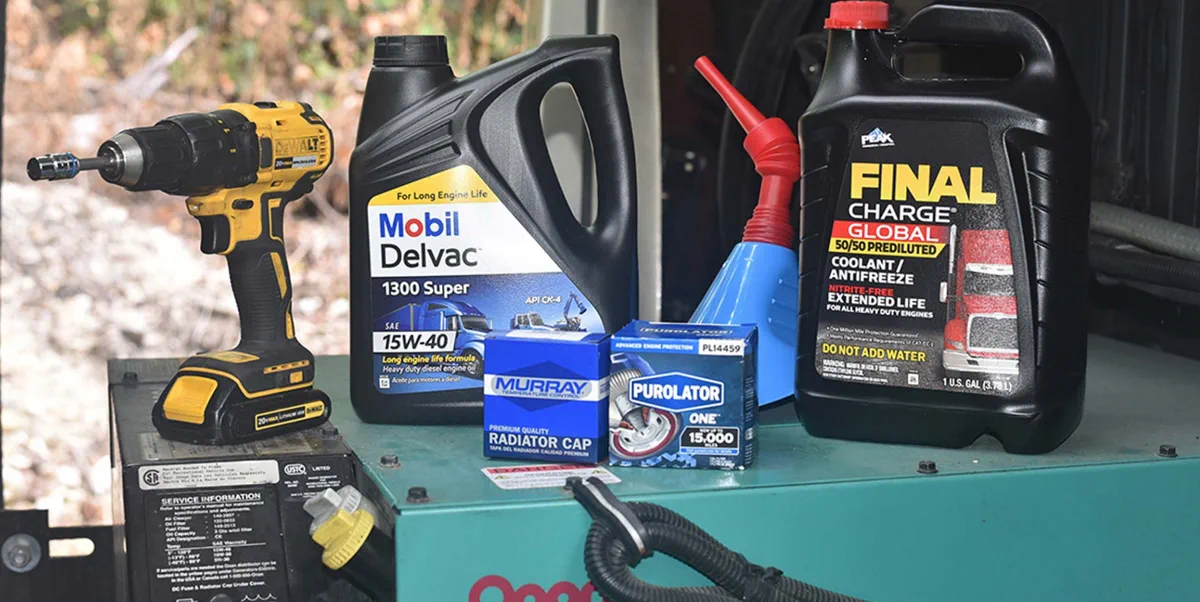
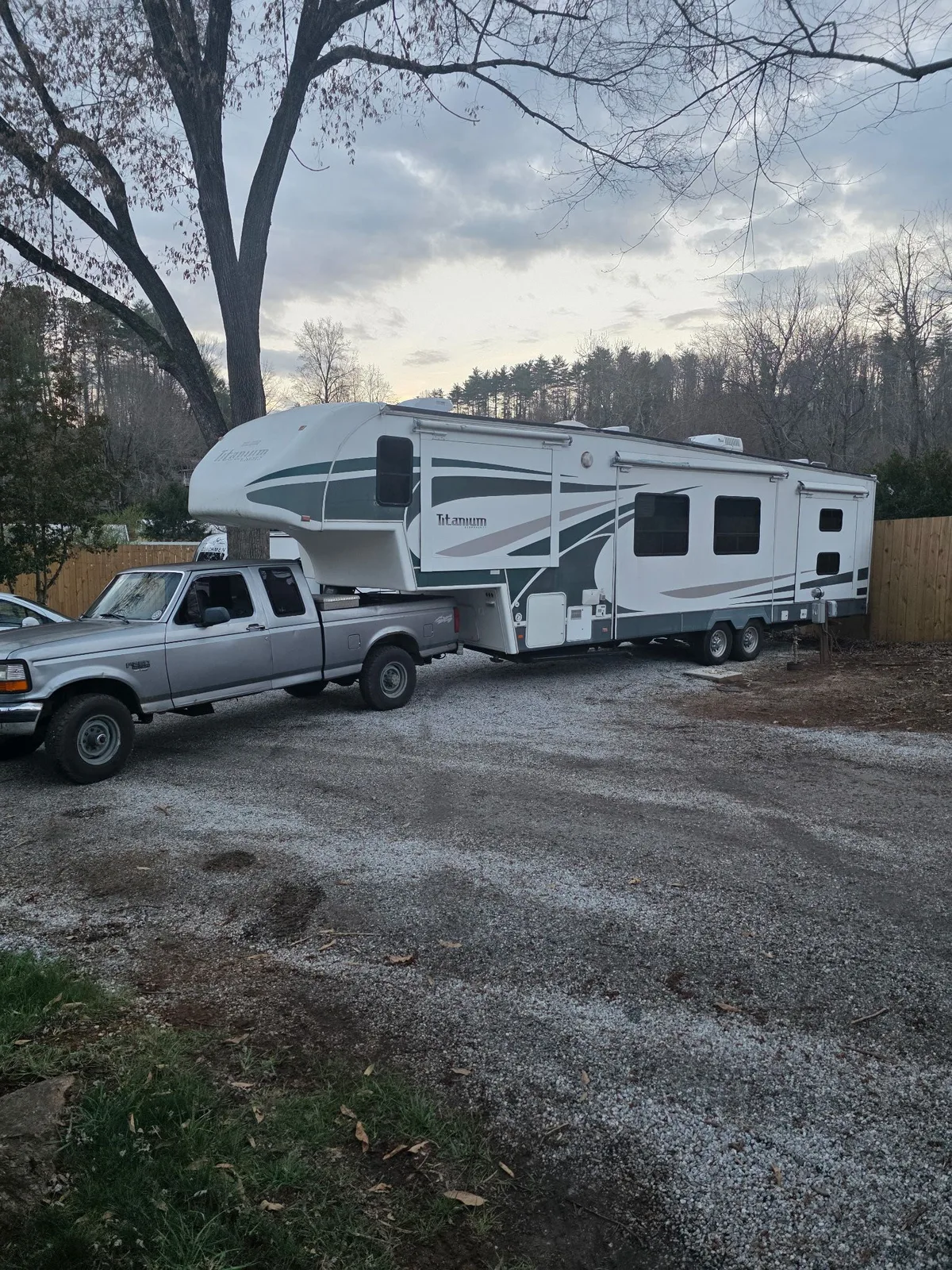
October and November bring a wave of RVs into Winter Haven. They come from Ohio, Michigan, Indiana, Pennsylvania, New York - rigs that have spent the summer sitting in driveways and storage lots, running occasionally, and being driven down in a long push from the north. By the time they arrive at a Winter Haven campground or a Lakeland storage facility, they've been on the road for 1,200 to 2,000 miles and haven't been inspected since spring.
Florida immediately starts stressing those systems in ways the northern climate didn't. The AC runs constantly instead of occasionally. The water heater cycles all day on a full hookup instead of sitting cold in a driveway.
The generator starts dealing with heat-soaked loads. And the sealant that seemed fine in Toledo in September is now facing Florida UV and afternoon thunderstorms daily.
Here's what to check in the first two weeks after arrival - and what to call us about if something doesn't pass.
1. AC System - Your Most Critical Arrival Check
Turn on the AC within the first 24 hours of arrival and let it run for 2 hours under real cooling load. You want to know now if it's struggling, not in mid-December when every mobile tech in Winter Haven is backed up with emergency calls. Signs of a problem: runs constantly without bringing the temperature down, makes unusual noise, trips a breaker, or produces weak airflow.
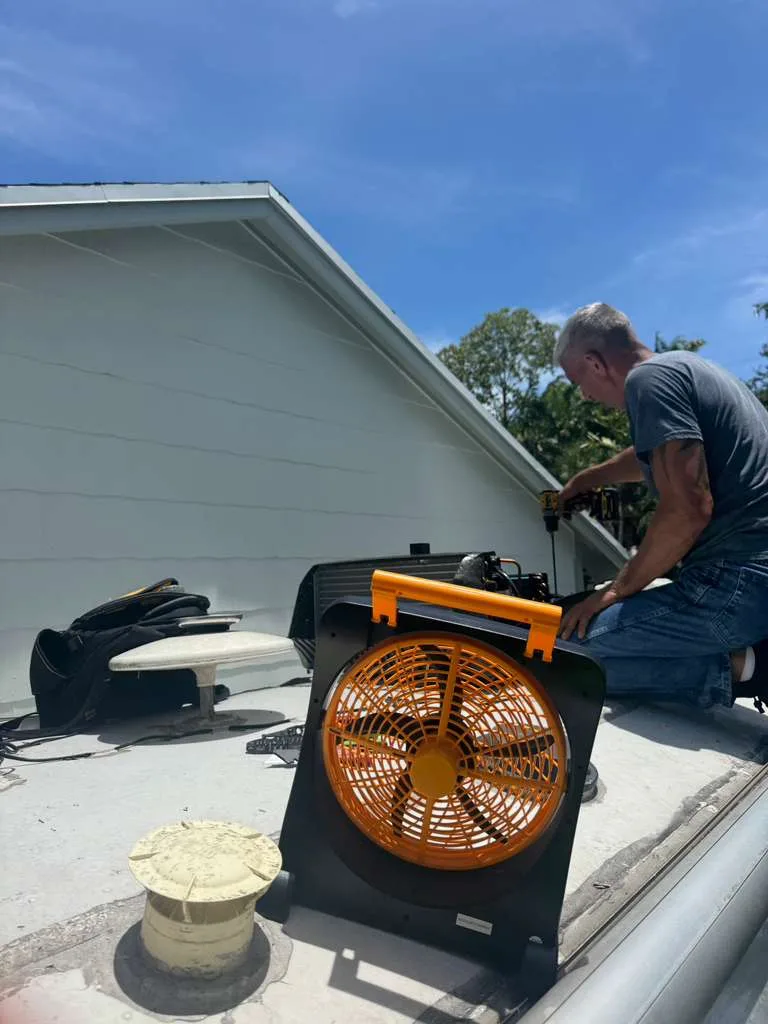
Capacitors degrade over time and northern winters don't do them any favors. We replace more capacitors in October and November than any other time of year - right when snowbirds arrive and put their ACs back under real Florida load.
2. Generator - Load Test Immediately
If your generator sat unused for more than 6 to 8 weeks over the summer, there's a meaningful chance the carburetor has some varnish buildup from ethanol-blend fuel. The gen might start fine at the campground in Lakeland, then sputter or die under load when you actually need it during a storm or a power outage.
Run the generator under full electrical load - all the ACs, the microwave, whatever you normally run on generator power - for at least 2 hours the first week of arrival. If it surges, stumbles, or shuts down, call us before you're sitting dark in January.
3. Roof Seals - Before the Rainy Season Remnants
Florida technically has two rainy seasons. The summer peak is July through September, but October and November still bring significant rainfall as Atlantic systems pass through. If your roof seals degraded over the summer heat and you didn't catch it before the drive south, the first hard rain in Winter Haven will find every gap.
Have someone on the roof while you look up from inside during a garden hose test - have them slowly run water around each vent, each AC base, each slide-out corner, and each antenna base while you look for drips. Any water getting in needs to be addressed immediately.
4. Slide-Out Seals and Mechanism
Extend and retract every slide at least twice after arrival. Look at the slide seals - the rubber or vinyl gaskets that create the weather seal around the slide room when it's extended.
Northern winters and summer UV both attack these seals. Cracked, shrunken, or compressed seals let in Florida rain in ways that cause the wall damage described in our water damage guide.
If a slide operates slowly, makes noise, or doesn't fully extend or retract, have the mechanism inspected before you're living in the rig full-time and depending on it daily.
5. Water Heater Anode Rod
This one gets skipped more than almost anything else. The anode rod in your propane/electric water heater sacrificially corrodes to protect the tank. It should be replaced every 1 to 2 years depending on water mineral content.
Winter Haven's water - especially well water in rural areas - can deplete an anode rod faster than municipal water sources. A depleted rod leads to tank corrosion and eventually a failed water heater.
If you don't remember when it was last changed, it's time. The part is $10 to $30.
The labor to replace it at your site is minimal. A failed water heater tank is $400 to $700.
6. Tire Pressure and Condition
Cold northern storage and a warm Florida drive change tire pressures significantly. Check every tire's pressure the morning after arrival when tires are cold.
Check the sidewalls for cracking - dry rot is common on tires that sit idle in UV exposure. A blowout on I-4 between Lakeland and Davenport is not how anyone wants to start their Florida season.
7. Electrical Shore Power Connection
Check the condition of your 30-amp or 50-amp shore power cord. Inspect the plug for heat discoloration or melting, which indicates a resistance connection that's been running hot.
Check the pedestal connection at your site - corroded pedestals are common at older campgrounds in Winter Haven. A bad connection at either end can damage your converter and other 12V systems over time.
Arrival Inspection Service - We Come to You
If you want someone to systematically go through your rig at your Winter Haven campsite or storage yard in the first week after arrival, call us. A comprehensive arrival inspection takes about 2 hours and gives you a written report of everything that needs attention - with repair costs so you can prioritize. No surprises, no pressure.
Call (863) 294-7800. We come to campgrounds and storage facilities throughout Winter Haven and Winter Haven - Lakeland, Winter Haven, Haines City, Auburndale, and all surrounding areas.