What Is It?
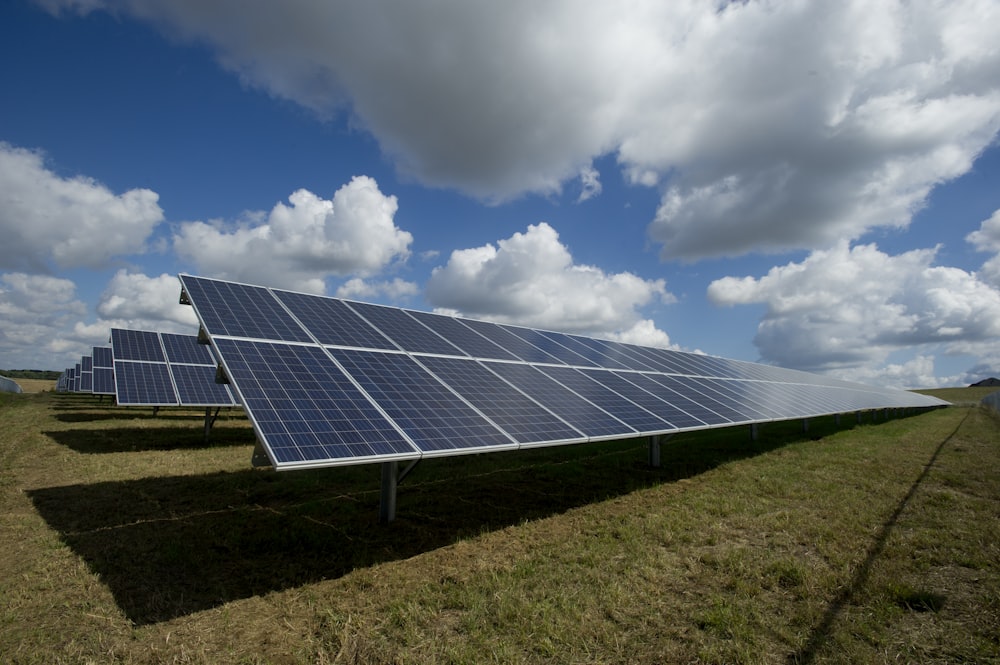
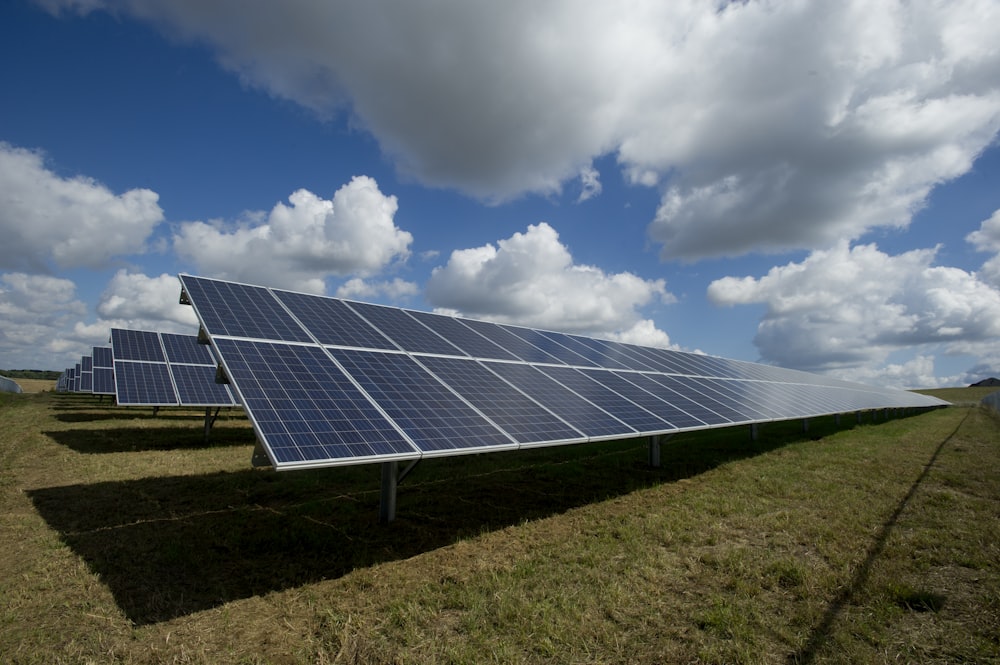
A 100-watt monocrystalline solar panel generates approximately 30 amp-hours per day under Florida's sun conditions - enough to run LED lighting, a fan, phone charging, and small 12V devices with a properly sized battery bank. Panels mount on the RV roof with adjustable aluminum mounting brackets and connect to a charge controller that regulates current flow to the battery. Multiple panels can be wired in parallel to increase total output.
How We Use It as RV Technicians
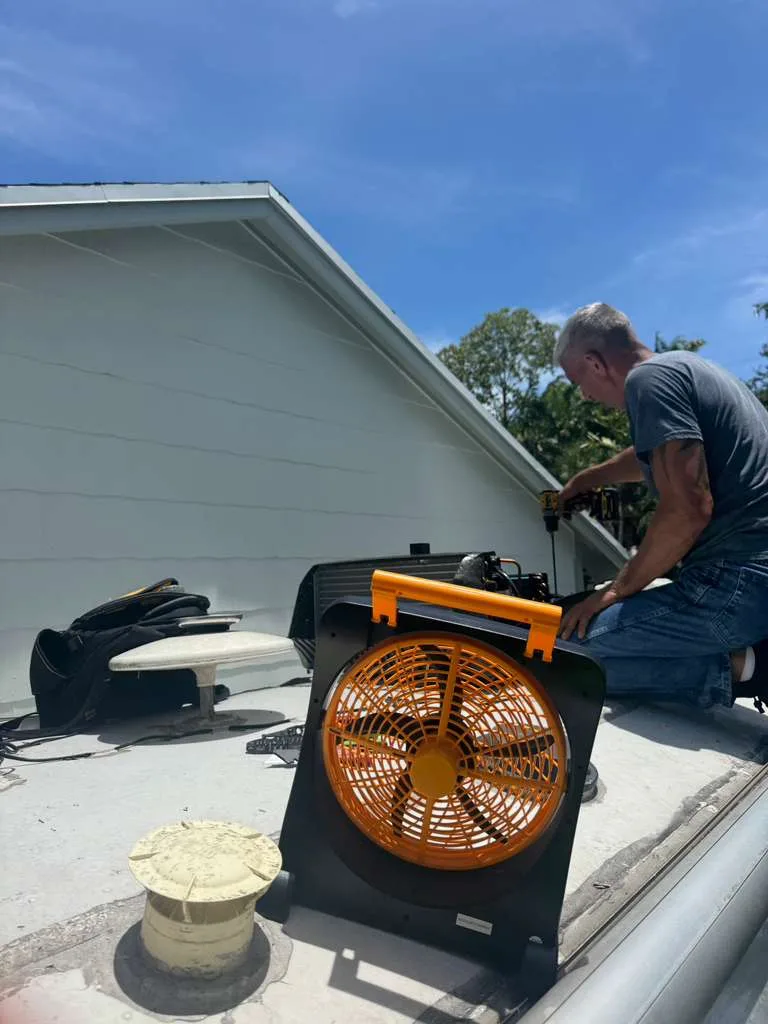
We install Renogy panels on RV roofs from Lakeland to Frostproof. The installation involves routing mounting brackets to roof structural members, drilling through the roof (with proper sealant around every penetration), routing the cable through the roof into the interior, and connecting to a charge controller and battery bank.
Florida is an exceptional environment for solar - 300+ sunny days per year and a high solar angle mean consistent production rates. A single 100W panel generates its rated output reliably from 9 AM to 4 PM during clear winter days and for even longer hours in summer. We typically recommend starting with two 100W panels for most moderate use cases and scaling up for heavy users.
Why Every RV Owner in Winter Haven Should Have This
Winter Haven sits in Florida's sunshine belt, making solar one of the highest-return power investments an RV owner can make here. For owners who camp at Lake Kissimmee State Park or other dry camping sites around Polk County where there are no hookups, solar is the difference between comfortable camping and generator dependency.
Even for owners with hookups, solar significantly reduces or eliminates converter cycling from shore power and reduces generator run time. In Florida's year-round camping climate, the return on investment for solar is faster than almost anywhere else in the country.
Real Job Story from Winter Haven
A full-time RV couple living in Polk City called us because they were running their Onan generator 8 to 10 hours a day to power their air conditioning and keep their AGM batteries charged. The generator noise was disturbing their neighbors and the fuel cost was running $150 a month.
We evaluated their roof space and found room for four 100W panels in a 2 x 2 configuration. Combined with their existing 200Ah AGM bank and a new Renogy 40-amp MPPT charge controller, the panels brought their generator run time down to 2 to 3 hours per day - just enough to supplement the solar on cloudy days and handle peak AC demand periods.
Their monthly fuel cost dropped to under $40. The full system paid for itself in under 8 months. We have done dozens of similar installations for full-timers throughout Polk County.