Why Annual Generator Service Matters in Winter Haven
Your RV generator is the backup power source that matters most in Winter Haven - not just for camping comfort but for hurricane season preparedness. Florida's hurricane season runs June through November, and Polk County takes direct storm hits from Gulf-tracking and Atlantic systems that cross the state. A generator that has not been serviced in 2 to 3 years may fail to start or fail under sustained load exactly when you need it most.
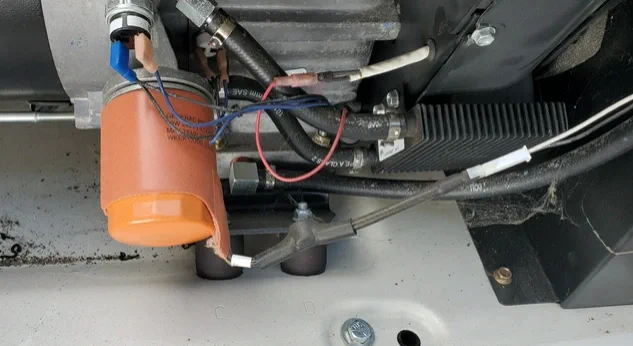
Annual generator service addresses the maintenance items that degrade on schedule regardless of how many hours you run the unit. Oil breaks down from heat cycling even in generators that run infrequently. Air filters clog from environmental exposure.
Spark plugs erode and develop fouling. Fuel filters accumulate sediment. Neglecting these items leads to hard starting, rough running, and eventual component failure that is entirely preventable.
In Florida specifically, generators that sit for extended periods between uses face an additional challenge: ethanol fuel degradation and carburetor varnish (covered in detail on our carburetor service page). We include a fuel system inspection and carburetor assessment as part of every annual service call.
What Our Generator Tune-Up Service Includes
A complete annual generator service at your Winter Haven location covers every maintenance item that affects reliability and longevity.
Engine Oil Change
Onan specifies 15W-40 or 10W-30 oil for most MicroQuiet generators. Kohler specifies similar conventional oil.
We change the oil with the generator at operating temperature to ensure complete drainage of the old oil and its degradation products. We use the manufacturer-specified oil type and check the drain plug sealing washer for condition.
Oil change interval for RV generators is every 100 to 150 hours of operation or annually, whichever comes first. In Florida's year-round camping climate where the generator may run more hours than in seasonal climates, we lean toward 100-hour intervals.
Air Filter Replacement
The generator's foam or paper air filter prevents engine damage from airborne particles. In Florida, generators stored outdoors are exposed to more contaminants than in other climates - pollen, cottonwood, road dust, and debris from the RV park environment all accumulate on the filter. A clogged air filter causes rich fuel mixture, hard starting, black smoke, and eventual engine damage.
We inspect and replace the air filter during every annual service. The cost of a filter is minimal compared to the engine damage from running without adequate air filtration.
Spark Plug Replacement
Spark plugs on small gasoline engines should be replaced every 100 to 150 hours or annually. We use manufacturer-specified plugs with the correct heat range. We inspect the old plug's electrode condition and firing tip as a diagnostic indicator - a plug with white insulator suggests lean mixture, a black sooty plug suggests rich mixture or oil burning, and a normal gray-tan plug indicates correct operation.
Fuel System Inspection
We inspect the fuel filter, fuel lines, and carburetor external condition. Any sign of fuel varnish, cracked fuel lines, or a deteriorated fuel filter receives attention. If the generator has been sitting for more than 60 days on ethanol fuel without stabilizer, we recommend a carburetor cleaning as part of the service.
Load Test
The final step in every annual service is a load test. We run the generator under its rated electrical load - typically 80 to 90 percent of rated wattage - for 20 to 30 minutes to verify stable voltage output, correct engine temperature, and no oil consumption under load. A generator that passes the load test is ready for whatever the next camping season - or hurricane season - brings.
Generator Service Intervals for Florida Conditions
Florida's year-round camping climate and heat mean generator service intervals should lean toward the shorter end of manufacturer recommendations. We suggest: oil change and spark plugs every 100 hours or annually; air filter inspection every 50 hours and replacement annually or when restricted; fuel stabilizer addition before any storage longer than 30 days; and a full load test annually or before hurricane season.