RV PEX Plumbing: What It Is and Why Fittings Blow
RV plumbing systems built from approximately 2005 onward use PEX (cross-linked polyethylene) tubing connected with push-to-connect fittings - a system trade-named SharkBite or similar. PEX tubing is flexible, freeze-resistant (it expands rather than cracking when water freezes in it), and much easier to install in the confined spaces of an RV than rigid copper or CPVC pipe.
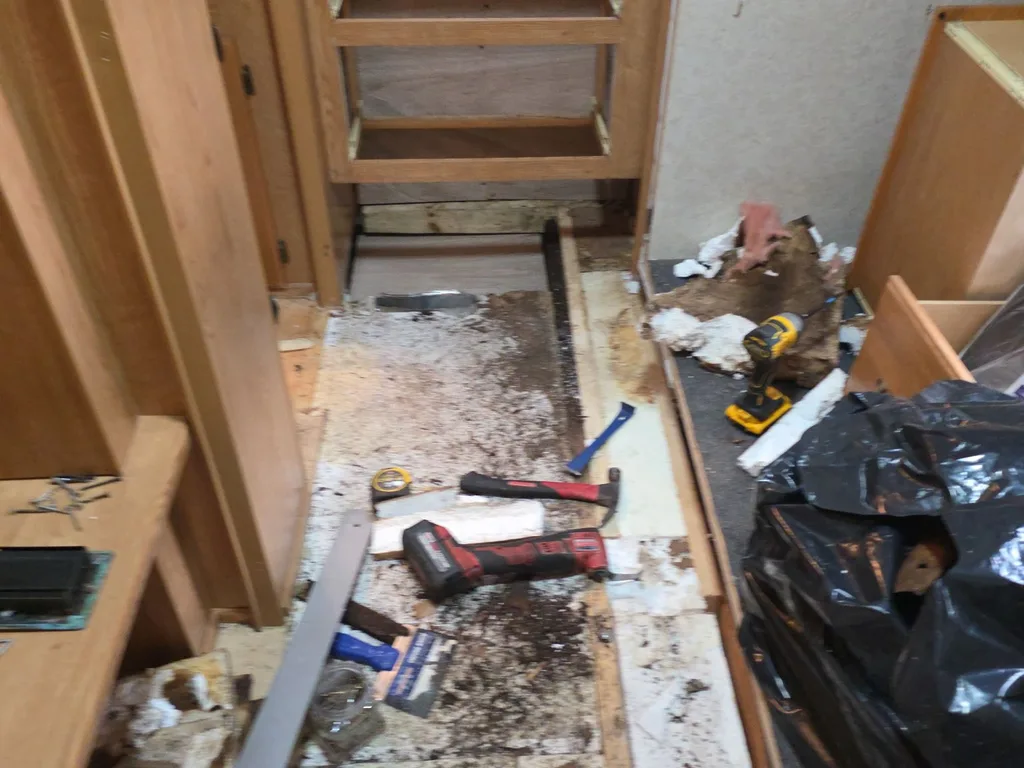
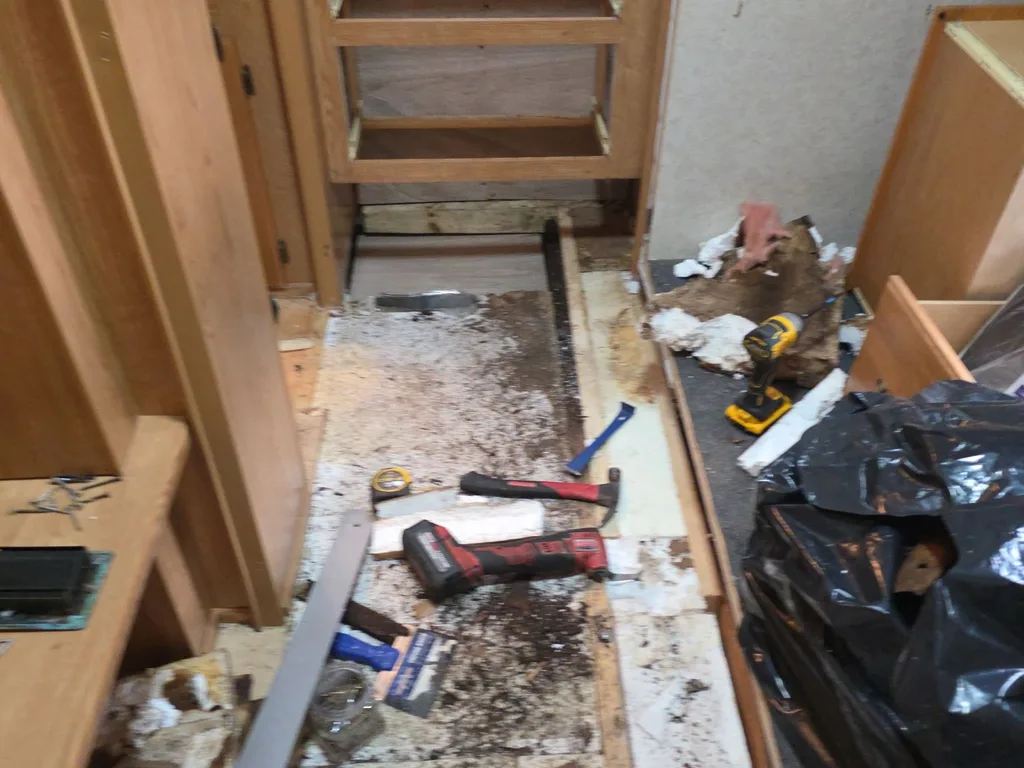
The push-to-connect fittings that join PEX sections together work by gripping the tubing with an internal collet and sealing with an O-ring. When properly installed with tubing cut straight and clean, these connections hold reliably for years. However, they have a specific failure mode related to water pressure: at sustained pressures above 60 PSI, the O-ring compression is pushed beyond its design limit over time, and the connection gradually loosens until it separates - usually catastrophically during a rain event or heavy water use period when flow demand peaks.
Campground water pressure in the Winter Haven area varies significantly. Municipal water supplies in older distribution areas can deliver 80 to 100 PSI.
Some rural campgrounds with pump-fed systems spike higher. A water pressure regulator set to 45 to 55 PSI limits campground pressure before it enters the RV plumbing system, protecting both PEX fittings and appliance water inlets from overpressure damage.
Finding the Leak: PEX Diagnosis in the Field
PEX leaks range from obvious (water dripping visibly from under a sink or pooling in a storage bay) to subtle (slow seepage that soaks into structural wood and doesn't appear as visible water until damage is extensive). We use several methods to locate PEX leaks depending on the situation.
For visible leaks, we trace the water upstream from where it appears - PEX leaks rarely appear directly at the fitting that is leaking because water migrates along the pipe or through insulation before finding a visible path.
For suspected but not visible leaks, we pressurize the fresh water system (pump or city water) and then listen and probe along the plumbing run. A pressure gauge installed between the pump and the distribution manifold shows whether pressure holds stable (no leak) or drops continuously (active leak).
For leaks in inaccessible locations - inside walls, in the belly of the trailer, or under the floor - we use the pressure drop method: pressurize the system, shut off the pump or city water valve, and time the pressure decay. A system that loses 10 PSI in 5 minutes has a significant leak; one that holds pressure for 30 minutes has no active leak.
PEX Repair at Your Winter Haven Location
Most PEX fitting repairs are straightforward on-site repairs. We carry push-to-connect fittings (elbows, tees, couplings, and end caps) in 1/2-inch and 3/8-inch sizes for most common RV plumbing applications, along with PEX tubing in both sizes.
For a blown fitting, we cut the damaged section (typically 2 to 4 inches around the failure point), clean the cut ends with the correct PEX tube cutter (a straight, clean cut is essential for push-connect reliability), and install a new coupling fitting. The repair takes 15 to 30 minutes per fitting location.
After repairs, we pressure-test the system before leaving - connecting city water or running the pump to at least 45 PSI and checking all repair locations for any sign of seepage. We do not leave a plumbing repair without pressure verification.
We also install a water pressure regulator at the shore water connection if one is not present - eliminating the overpressure condition that caused the original fitting failure.