What an Inverter-Charger Does That Separate Units Cannot
An inverter-charger is a single unit that combines an MPPT or multi-stage battery charger (the function of a converter) with a pure sine wave inverter (for running 120V appliances from batteries) in a single integrated package. The integration provides capabilities that separate units cannot replicate.
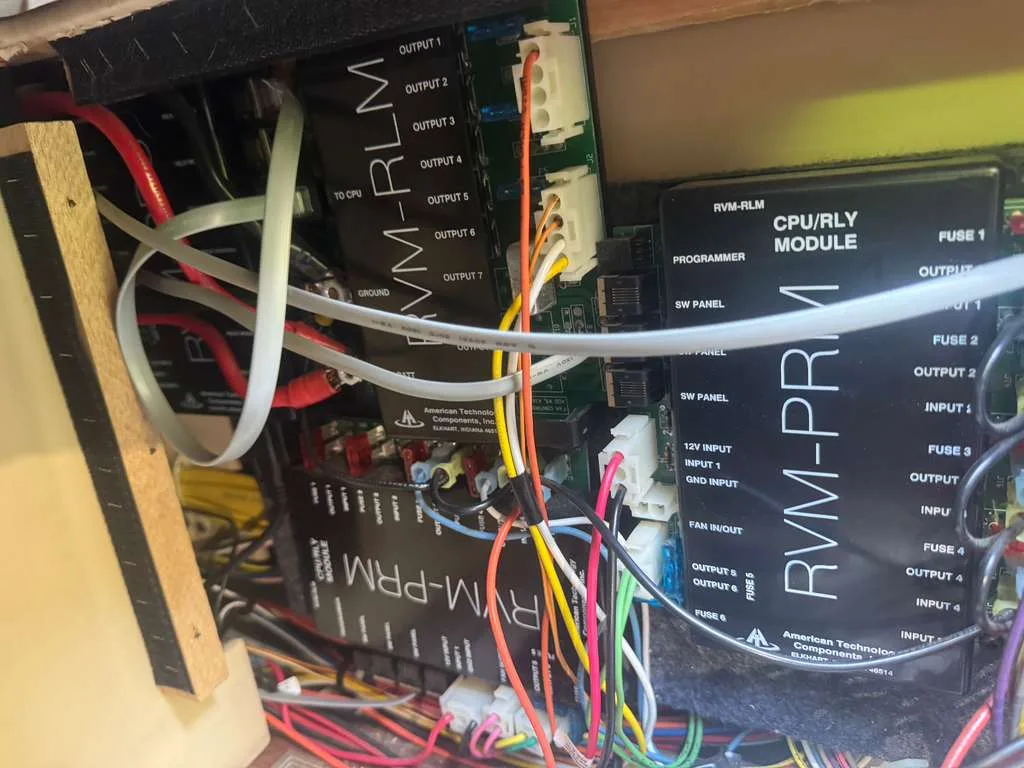
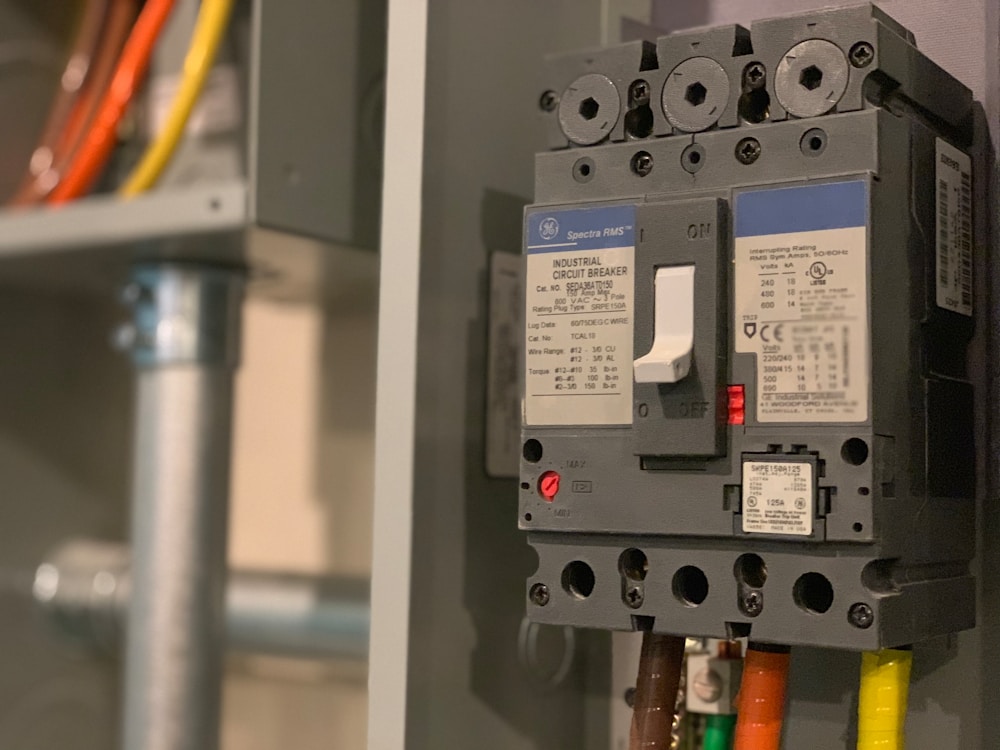
The most valuable feature for Winter Haven RV owners is the transfer switch built into quality inverter-chargers. When shore power is connected, the transfer switch routes that power directly to the coach loads while simultaneously charging the battery bank through the charger section. When shore power is lost (power outage, disconnecting from hookups), the transfer switch seamlessly connects the battery bank's inverter output to the coach loads within milliseconds - so brief that sensitive electronics like CPAPs and computers don't notice the interruption.
This seamless transfer capability is what allows an inverter-charger-equipped RV to function as a true off-grid platform: shore power when available, battery power when not, with no manual switching required.
Selecting an Inverter-Charger for Your Winter Haven RV
The most important sizing parameter is the inverter's continuous wattage output - the maximum load you expect to run from battery. For basic loads (lighting, television, laptop, phone charging), 1,000 watts is adequate.
For including the microwave, 1,500 to 2,000 watts is needed. For running the rooftop AC from battery, 3,000 to 3,500 watts of pure sine wave output is required.
We recommend Victron MultiPlus series inverter-chargers for most Winter Haven installations due to their build quality, extensive configuration options, and superior battery chemistry compatibility including lithium. The Victron ecosystem also includes the Cerbo GX monitoring controller that integrates all power system components (solar, batteries, inverter-charger) into a unified monitoring platform.
Renogy's inverter-charger series provides a more cost-effective option for installations where budget is a primary concern and the advanced features of the Victron ecosystem are not required.
Installation Complexity and Process
Inverter-charger installation is the most complex electrical installation in the RV solar realm, requiring correct wiring sizing for the high-current DC connections, proper AC distribution connections, transfer switch wiring, and programming of the unit's charge parameters and transfer thresholds.
We size all wiring for the inverter-charger's maximum current draw at both the DC input and AC output sides. The DC battery cables connecting the inverter to the battery bank carry very high current (200+ amps at full load for a 3,000-watt inverter on 12V) and must be sized with appropriate cable gauge, torqued connections, and properly rated fusing within 18 inches of the battery bank.
The unit is configured for the correct battery chemistry, charging voltage setpoints, shore power input limits (for campgrounds with lower-than-expected amperage), and transfer switch sensitivity. We test the complete system through a full transfer cycle before declaring the installation complete.