Why Winter Haven Is an Exceptional Location for RV Solar
Winter Haven sits at approximately 28 degrees north latitude, which provides a favorable solar angle throughout the year. The sun's angle in Winter Haven on the summer solstice approaches 85 degrees - nearly directly overhead - and even on the winter solstice remains above 38 degrees. These angles, combined with Florida's 300+ sunny days per year, produce some of the highest solar generation potential of any continental US location.
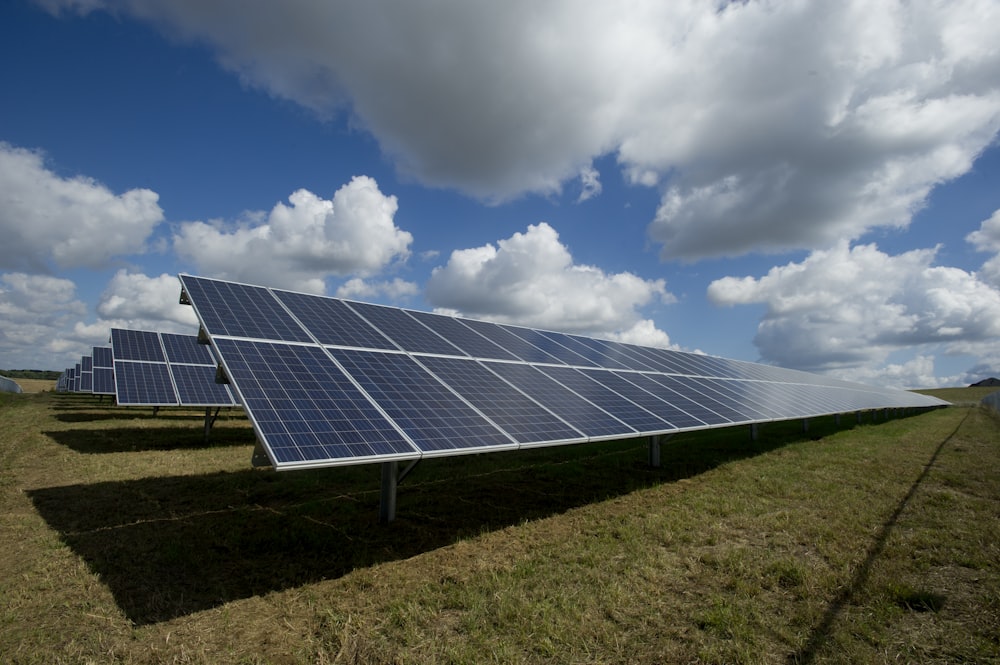
A 100-watt solar panel installed in Winter Haven generates approximately 450 to 500 watt-hours of energy on a clear day - producing its rated 100 watts for effectively 4.5 to 5 hours of peak sun equivalent. The same panel installed in Seattle might produce 300 watt-hours on clear days and far less on the frequent overcast days. Florida's solar advantage is real and significant.
For RV owners in Winter Haven, this translates directly to reduced generator run time, reduced fuel cost, and the ability to dry camp at Lake Kissimmee State Park or Crooked Lake Prairie State Park for extended periods without depleting the battery bank. We have installed solar systems for full-time residents at Polk City lake communities who have reduced their generator use from 8 hours per day to under 1 hour per day.
What RV Solar Panel Installation Includes
A professional solar installation at your Winter Haven location covers every step from panel placement to power delivery verification.
Site assessment: we evaluate the roof space available for panels, identify shading obstacles (AC units, vents, antennas), and calculate the optimal panel arrangement for maximum output in your specific RV orientation. Not all roof areas produce equal output - south-facing panels in Winter Haven produce more than north-facing, and panels with no shade outperform those with partial shade significantly.
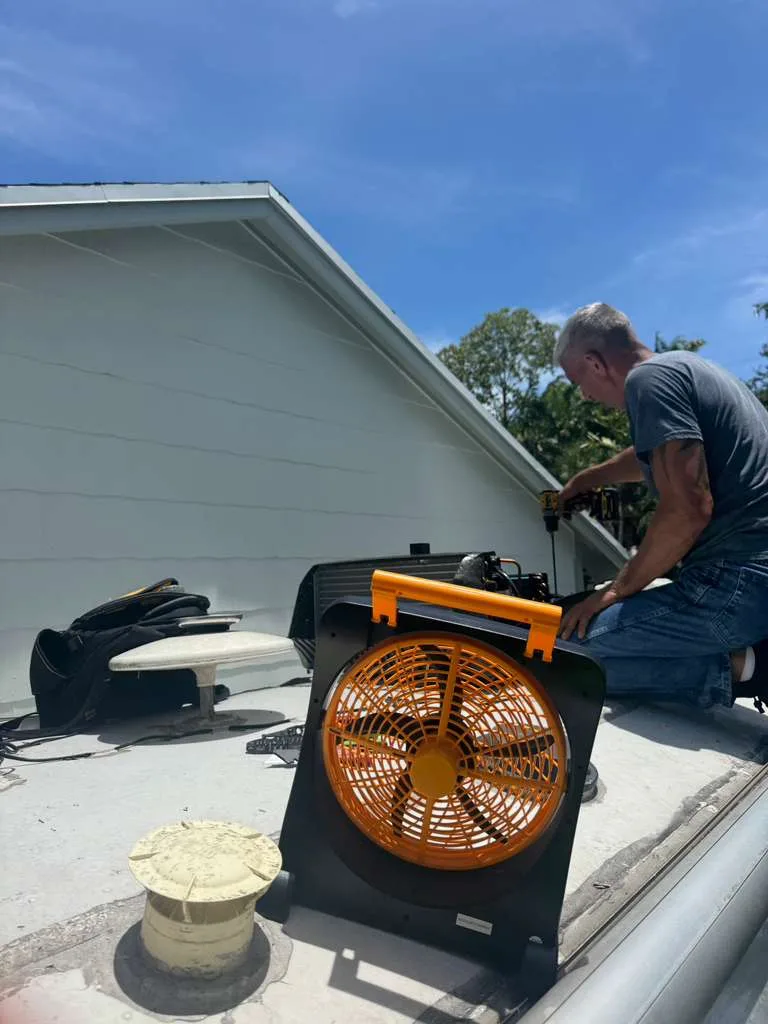
Mounting system: we use aluminum mounting rails and stainless steel hardware specific to RV solar installation. Every mounting hole is drilled through the roof with the appropriate bit for the roof type (fiberglass, TPO, aluminum), and every penetration is sealed with Dicor 501LSW sealant immediately after mounting. We do not drill holes that aren't immediately sealed.
Wiring: we run appropriate gauge copper wire from the panels through the roof penetration (using a proper cable entry gland, not just a hole with sealant) into the interior where the charge controller is located. Wire gauge is sized for the panel current and run length to limit voltage drop below 3 percent.
Charge controller installation and configuration: we install the controller in a ventilated location near the battery bank, connect the panel array input and the battery bank output, and configure the controller's charge parameters for the specific battery chemistry in the coach.
System testing: we verify open-circuit panel voltage (should match rated Voc for each panel), connection current, and charge controller operation before completing the job.
Panel Options for Winter Haven RV Installations
We work with all major brands including Renogy, Victron, Rich Solar, and others. Our recommendations lean toward panels with strong temperature coefficients - an important specification in Florida's heat where panel surface temperatures can reach 140 degrees on a summer day, reducing output below STC (standard test condition) ratings.
Monocrystalline panels (versus polycrystalline) have better temperature coefficients and better performance in direct Florida sun. The price premium for mono over poly panels has narrowed considerably; we recommend mono for virtually all Winter Haven installations.
For RV installations, we also consider panel flexibility options. Rigid aluminum-frame panels produce the highest output per dollar but add weight and cannot be used on curved roof sections.
Flexible panels allow installation on curved surfaces but have lower efficiency ratings and shorter lifespans. For most travel trailers and motorhomes with flat roof sections, rigid panels are the correct choice.