What Is It?
RPCRC1 is a water-based liquid EPDM coating that bonds to existing rubber roof membranes and forms a new protective layer when dry. It covers an approximately 50-square-foot area per quart (200 square feet per gallon) and is applied with a brush or roller after thoroughly cleaning the existing roof. The cured coating is flexible, UV-resistant, and provides an additional weatherproofing layer over the entire roof membrane.
How We Use It as RV Technicians
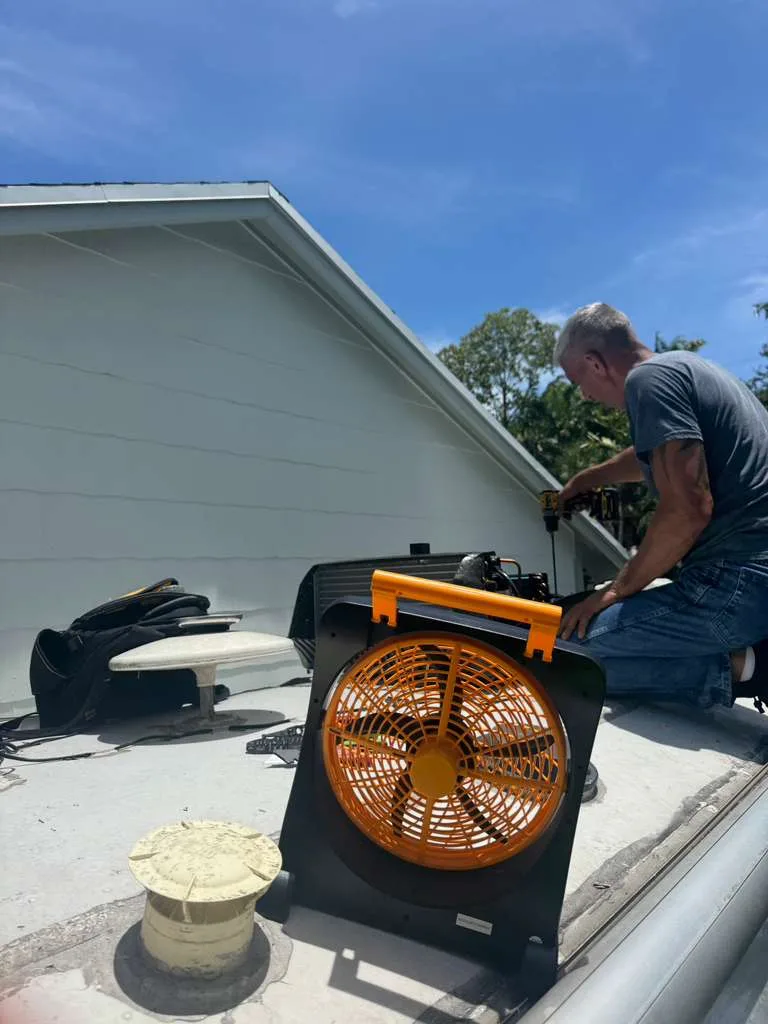
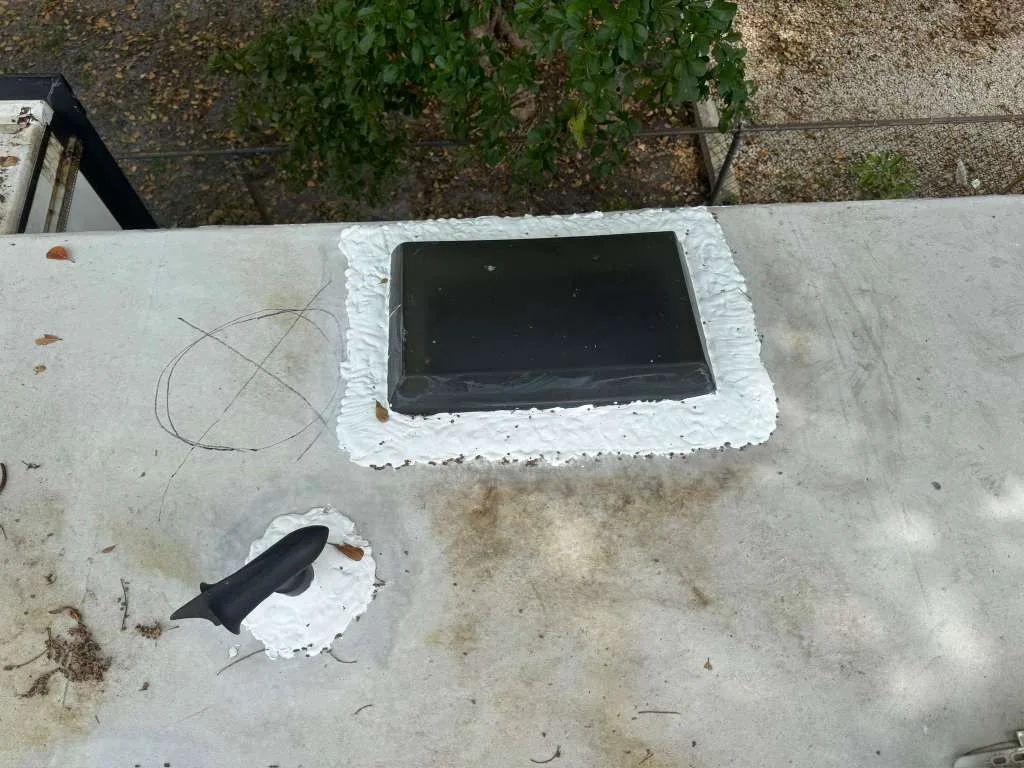
Roof coating applications are a half-day or full-day job depending on roof size. We start by thoroughly cleaning the roof with a Dicor-approved cleaner to remove oxidation, mold, and debris. All lap sealant around vents and penetrations is inspected and repaired before coating.
The coating is then rolled on in two perpendicular coats, allowing drying between applications. On a Florida day with low humidity, each coat dries in 2 to 4 hours.
The best results come from coating a roof that still has structural integrity but shows early signs of aging - oxidation (white chalking), slight surface cracking, or reduced flexibility. Coating a severely deteriorated or delaminated roof only postpones the replacement it needs.
Why Every RV Owner in Winter Haven Should Have This
EPDM roofs installed in Florida typically need attention by year 5 to 7 and replacement by year 12 to 15 under full-sun exposure. A $70 gallon of Dicor coating applied every 3 to 5 years extends the life of an EPDM roof significantly and costs a fraction of replacement.
For RV owners in Winter Haven who store their rigs outdoors through Florida summers, a coating application on a 6 to 8 year old EPDM roof is one of the highest-return preventive maintenance investments available. We have seen properly maintained, coated EPDM roofs perform well past 20 years.
Real Job Story from Winter Haven
A couple from Haines City contacted us about their 11-year-old Class A motorhome. They were planning to keep the rig for 5 more years and wanted to know whether the roof was a risk.
We performed a roof inspection. The EPDM membrane showed significant oxidation - the white chalking that indicates UV degradation of the rubber compound - and had developed micro-cracking across approximately 40% of its surface. Several lap sealant points had separated and were already causing minor water seepage at two vents.
Roof replacement would have cost approximately $3,800 to $5,200 depending on scope. We recommended a full reseal of all penetrations followed by two coats of Dicor roof coating. Total cost was $580 in parts and labor.
Two years later, we inspected the same roof. The coating had stabilized the membrane, the micro-cracks had not progressed, and the sealant points remained intact.
The roof was performing as it should. They extended their RV ownership plan by 3 more years without roof anxiety.