Why Annual RV Inspection Is Essential in Florida
Florida's climate creates conditions where RV systems deteriorate faster than in seasonal or cooler climates. Roof seals degrade in 12 to 18 months of UV exposure rather than 36 to 48 months. Generator carburetors varnish from ethanol fuel in storage periods as short as 30 days.
Battery banks that would last 5 years in Ohio last 2 to 3 years in Polk County's heat. Slide-out seals lose flexibility in 3 to 5 years of Florida UV exposure rather than 7 to 10 years.
An annual inspection catches these degradation points at the preventive maintenance stage - before they become active failures or water damage events. The economics are straightforward: a $225 annual inspection that catches a $150 roof sealing job and a $95 failing capacitor prevents both the immediate repairs and the cascading damage that results from ignoring them.
For Winter Haven full-timers and snowbirds, we recommend scheduling annual inspections in May (before hurricane season and before the summer AC load begins) and considering a secondary check after hurricane season ends in November. This bi-annual schedule provides the coverage appropriate for Florida's year-round demands on RV systems.
Annual Inspection Scope
Our annual RV safety inspection covers every major coach system with the same thoroughness as a pre-purchase inspection, adapted to focus on the failure modes most common in Florida's conditions.
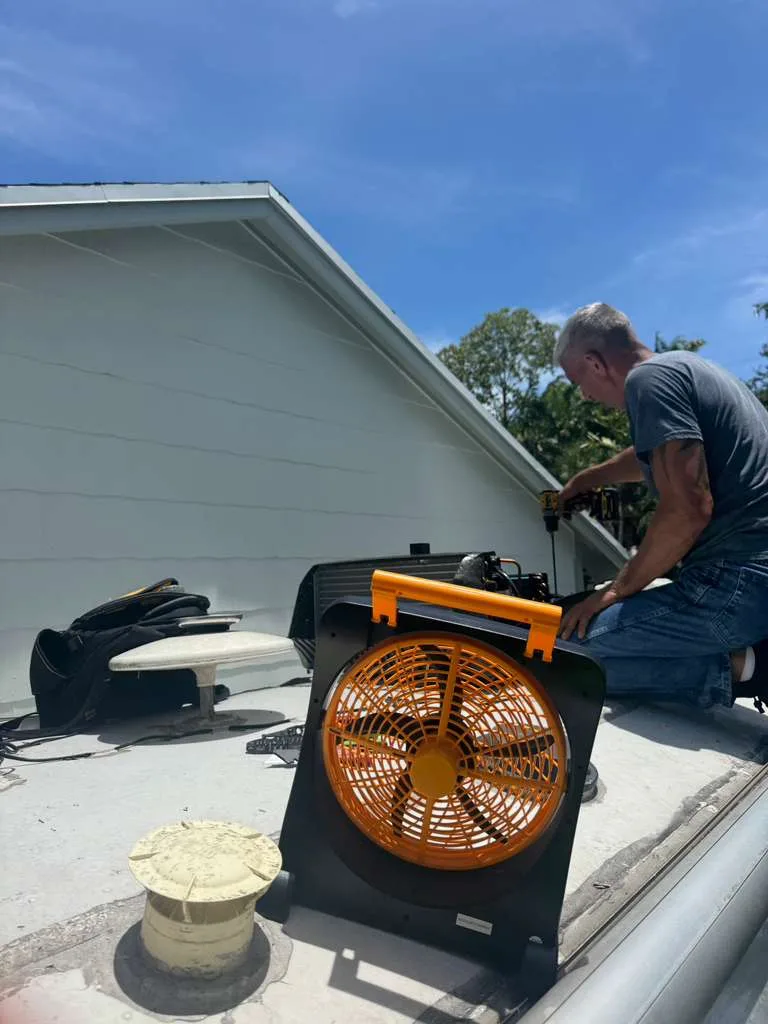
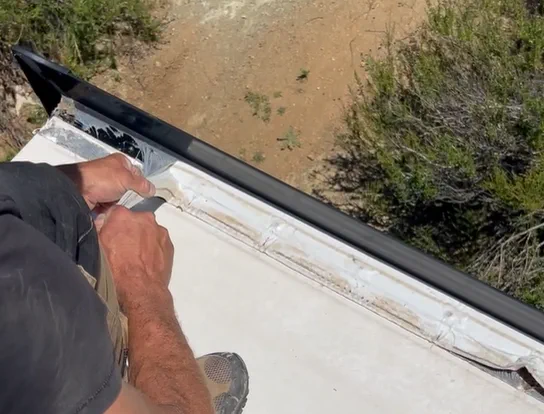
Roof and seals: we walk the entire roof, probe every sealant bead, and moisture-meter all ceiling panels. Florida's UV degradation produces seal failures that are invisible to visual inspection but identifiable through probing.
HVAC: we run each AC unit under load, check capacitor condition with our meter, measure supply air temperature, and inspect the condensate drain system. We also inspect propane furnaces for Florida-specific issues including spider nest blockage of burner assemblies (common in outdoor-stored rigs in Polk County).
Electrical: we test all outlets, check converter output and battery charge state, test the generator under load, and inspect the shore power inlet for heat damage or corrosion.
Plumbing: we run the water system under city pressure with our regulator (verifying the coach has a working pressure regulator), check all fixtures for flow and pressure, test the water heater on both modes, and inspect all accessible plumbing connections.
Structural: we press-test floors in all areas, inspect walls for delamination indicators, and check all slides for seal condition and smooth operation.
Our written report follows the same format as our pre-purchase report: findings by system, severity rating, and estimated cost if repair is needed.