Why You Need an Independent Pre-Purchase RV Inspection in Florida
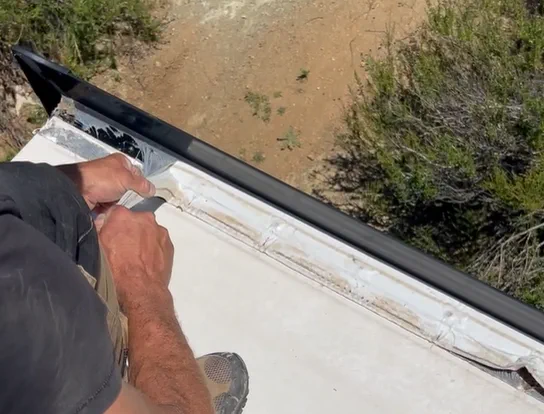
Florida is one of the most active used RV markets in the country, and the combination of year-round UV exposure, daily summer rain, and humidity creates damage patterns that don't appear in northern climates where most buyers have their prior RV experience. Roof seals that appear intact on a 15-minute visual inspection can have hairline cracks that leak during Florida's heavy rain events.
Wall delamination that is invisible from 10 feet away requires careful panel pressing to identify. Absorption refrigerators that cool adequately in November may struggle in August heat.
We perform pre-purchase inspections on behalf of buyers throughout Winter Haven and Polk County - and we have no stake in whether you buy the RV. Our job is to tell you exactly what condition it is in, what needs repair, and approximately what those repairs will cost. You decide whether to proceed, renegotiate, or walk away.
The inspection fee - typically $200 to $350 depending on RV size and type - is the most value-dense purchase decision you can make when buying a used RV. We regularly find $3,000 to $15,000 in needed repairs on rigs that sellers describe as 'well maintained' and 'move-in ready.' The inspection either confirms you're making a good purchase or saves you from a very expensive mistake.
What a Pre-Purchase Inspection Covers
Our pre-purchase inspection follows a systematic sequence that covers every major coach system.
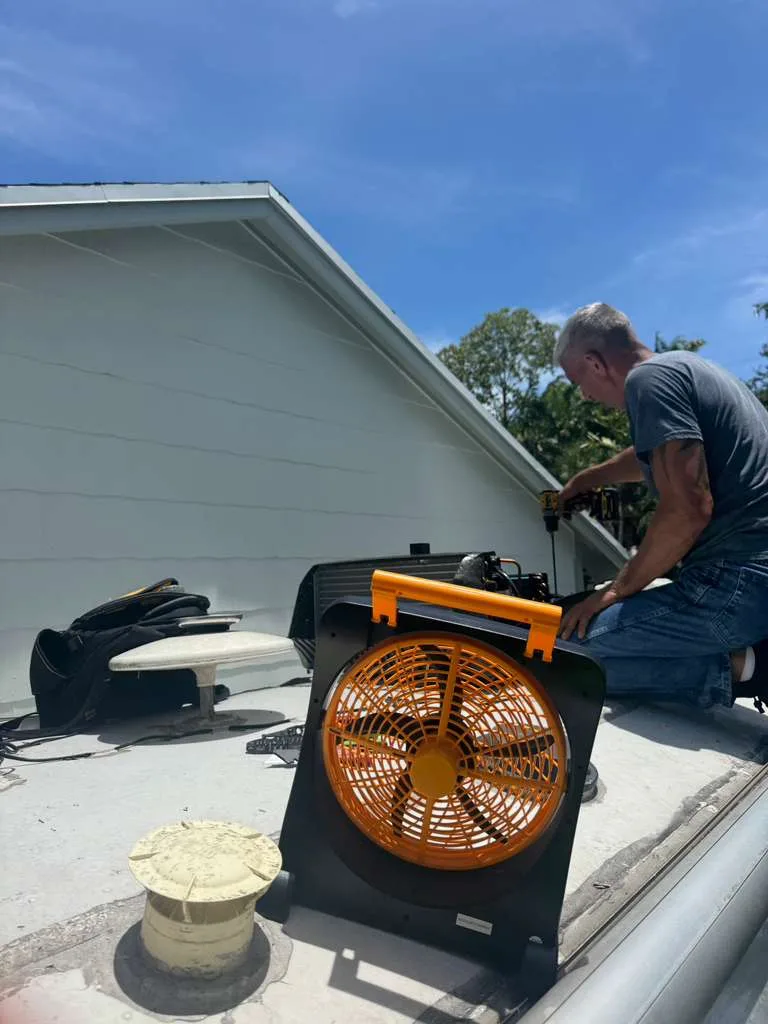
Roof inspection: we access the roof and inspect all sealant around every penetration (vents, AC bases, skylights, antennas), check the roof membrane condition, and look for soft spots in the decking. We probe questionable sealant areas and moisture-meter all areas of the ceiling and upper walls inside.
Slide-out inspection: we operate every slide through its full range, listening for unusual noise and observing smooth and consistent travel. We inspect slide seals and check for floor soft spots at the base of each slide room.
AC system: we run each AC unit through a cooling cycle, measure supply air temperature, and check the capacitor with a meter. We look for signs of prior non-cooling operation (water staining below the unit from condensation overflow, which indicates the unit has been running without adequate airflow).
Generator: we start the generator, run it under load, and measure voltage output. We check for recent oil changes, fuel system condition, and any evidence of difficult starting.
Electrical system: we test all 120V outlets with a wiring tester, check the converter output, test all 12V systems, inspect the battery bank voltage and assess battery age.
Plumbing: we run the water pump, check pressure and flow at each fixture, test the water heater on both electric and propane modes, and inspect all under-sink plumbing for any signs of previous leak repair.
Appliances: we operate the refrigerator on both modes, test all stove burners, run the microwave, and test any other installed appliances.
Interior structural: we press the floor in all areas (particularly at slide bases and at the front and rear), inspect wall panels for delamination or discoloration suggesting prior water damage, and check all ceiling panels.
Written report: after the inspection, we provide a written findings report with all identified issues, their severity assessment, and estimated repair costs.
Negotiating After a Pre-Purchase Inspection
Our written report is a negotiating tool as much as it is an information document. When we find $4,500 in needed repairs on a rig priced at $45,000, you have documented grounds to renegotiate the price, ask the seller to complete specific repairs before closing, or simply walk away with confidence that your decision is based on complete information rather than a seller's representations.
We can provide a verbal summary of findings immediately after the inspection to help you make a quick decision about the purchase. The written report follows within 24 hours.