Why Northern RVers Need an Arrival Inspection in Winter Haven
The migration from northern states to Winter Haven is an annual ritual for thousands of RV owners. The rig goes through a significant transition: months of storage in cold, often frozen conditions, followed by a 1,000 to 2,000-mile drive in temperatures that climb from cold to subtropical, and then full deployment in Florida's heat for the winter season.
Each stage of this transition stresses specific systems in predictable ways. Storage through a northern winter dries out rubber seals, gaskets, and pump diaphragms - components that rely on contained moisture to maintain their sealing properties.
The long drive south puts road stress on the slide mechanisms, slide-out seams, and all plumbing connections. Arriving in Florida's November heat means deploying the AC for the first time in months - immediately putting full load on a system that hasn't been run since spring.
The snowbirds who call us for emergency service in their first week in Winter Haven are almost always experiencing failures that an arrival inspection would have caught as developing problems: the generator that won't start after summer storage, the PEX fitting that blows from full campground water pressure after running without city water for months, the refrigerator electric element that was borderline when they left home and fails on the first 90-degree Polk County afternoon.
Arrival Inspection Priorities for Northern RVs
Our arrival inspection for snowbirds in Winter Haven focuses on the specific failure modes most likely after northern storage.
Generator: we start the generator and run it under load. Summer storage on ethanol fuel is the number-one generator issue for arriving snowbirds.
A generator that starts reliably and holds load needs no further generator service. One that hesitates, surges, or won't start goes directly to our carburetor service sequence.
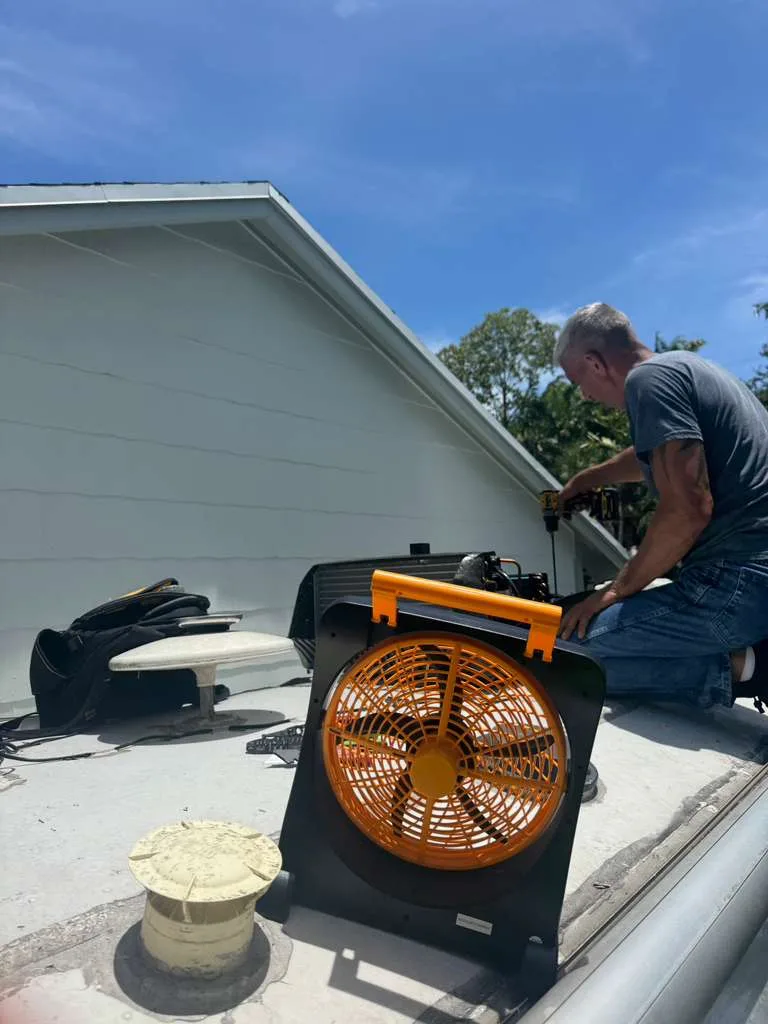
AC system: we run the AC under full load and check the capacitor with a meter. A winter of disuse doesn't damage AC units in storage, but a capacitor that was borderline in spring and then sat through a winter without load cycling may now measure below specification. We catch this before the first 95-degree Florida afternoon.
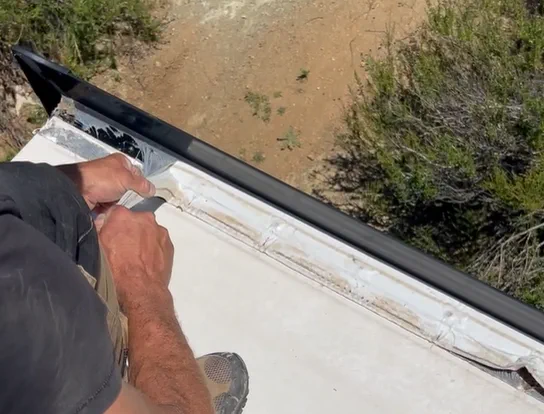
Roof seals: we access the roof and probe all sealant. Six months of northern UV and temperature cycling degrade sealant even in storage.
Water system: we connect to city water through a pressure regulator and check all fittings, connections, and appliances. We run the water heater through both modes and verify correct operation.
Battery bank: we load-test the batteries with our equipment to determine actual remaining capacity, not just resting voltage. Batteries that have been stored through a northern winter without maintenance charging typically lose 10 to 20 percent of their rated capacity from self-discharge sulfation.