What Is RV Wall Delamination?
RV sidewalls are constructed as a laminated sandwich: an outer fiberglass or aluminum skin, a structural foam or wood frame, interior insulation, and an inner wall skin (luan, vinyl-covered wall board, or similar). The layers are bonded together during manufacturing with construction adhesive. The structural integrity of this sandwich depends on the adhesive bond remaining intact.
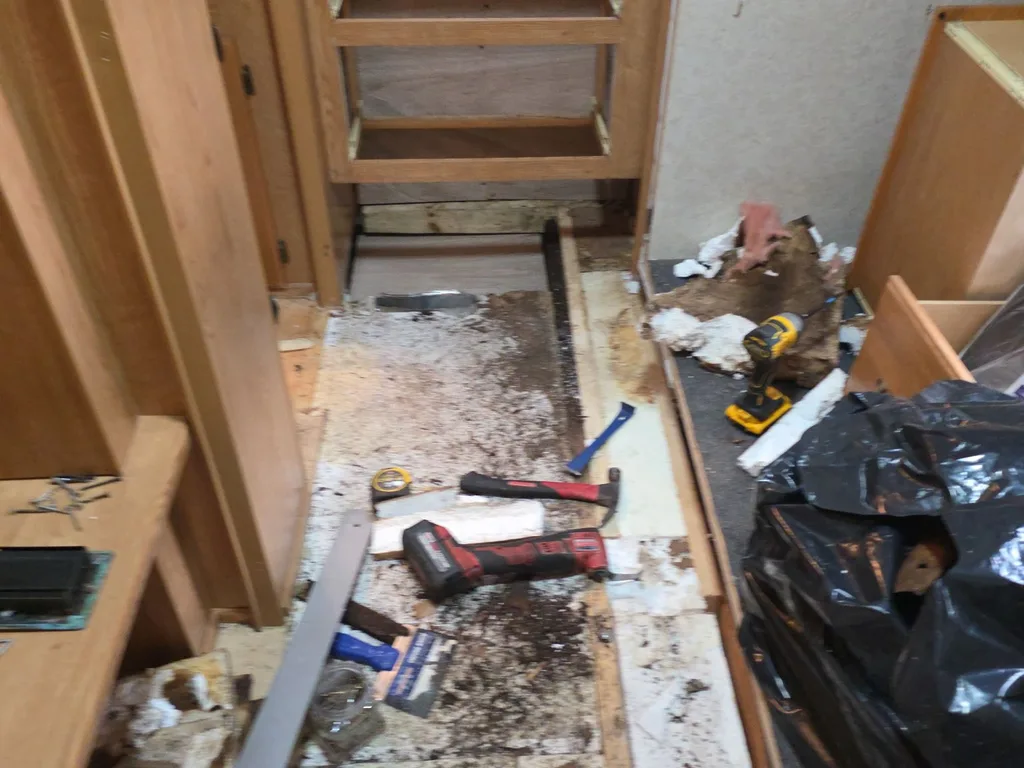
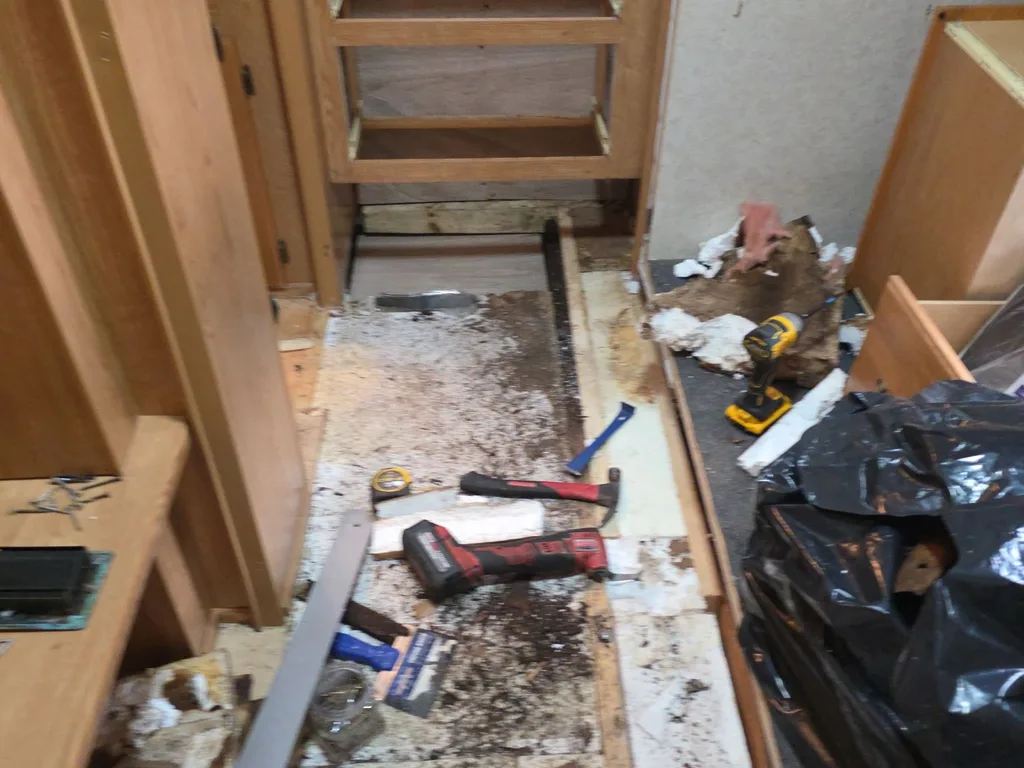
When water infiltrates through a failed seal, window frame, or roof-to-wall junction, it saturates the structural core and breaks down the adhesive bond between layers. As the adhesive fails, the outer or inner skin begins to separate from the substrate, creating the bubbled, rippled, or blistered appearance that characterizes delamination. The degree of visual delamination visible from outside the coach understates the actual extent of internal moisture damage.
Florida's warm temperatures accelerate both the adhesive breakdown process and the spread of the moisture damage. A small water entry point at a window seal can produce significant delamination over a single Florida rainy season - a damage progression that would take 2 to 3 seasons in a drier climate.
Delamination Repair Options
Delamination repair is one of the more complex RV repairs because the approach depends heavily on what is separating from what and what condition the substrate is in.
For delamination where the outer skin is separating from a dry or slightly damp foam substrate - often the case when the seal failure is recent and water entry limited - re-injection of construction adhesive and clamping the skin back against the substrate is sometimes feasible. This requires drilling small holes to inject adhesive and then pressing the skin flat while the adhesive cures. Results vary, and the repaired area typically remains visible on close inspection.
For delamination where the substrate is wet and beginning to rot, the structural core must be replaced rather than re-bonded. This is a full wall section repair: the outer skin is separated, the damaged core material is removed and replaced with new material, and the outer skin is re-bonded. This approach produces a better structural result but requires more time and cost.
Full wall section replacement (removing and replacing both inner and outer skins with new material) is warranted when delamination is extensive or the original skin material is too damaged to re-use. This is the most involved repair and may require shop facilities for large panels.
Sealing Before Repairing
We never begin delamination repair without first identifying and sealing the water entry point. Repairing a delaminated wall panel without stopping the water source produces a repaired panel that begins delaminating again in the next rainy season.
The most common entry points for wall delamination in Winter Haven RVs are window frame seals (the perimeter seal between the window frame and the wall opening), the horizontal joint between the wall cap and the sidewall, and the front cap-to-sidewall seam on motorhomes. We locate and seal the entry point before beginning any structural repair work.